

tinted toughened glass
Plain v. Block A Comparative Study In the dynamic world of design, architecture, and aesthetics, the terms plain and block can evoke contrasting images and feelings. While both concepts invoke a sense of structure, they imply varying methodologies and philosophies behind art, architecture, and even lifestyle choices. This article aims to delve into the differences between plain and block structures, their implications in design, and how they resonate in our daily lives. Understanding 'Plain' The term plain refers to simplicity, clarity, and minimalism. In architectural and design terms, a plain structure is often characterized by smooth lines, a lack of intricate detailing, and a focus on functionality over embellishment. The beauty of plain design lies in its ability to communicate elegance without excess, allowing the essence of the materials and the space itself to shine through. Plain design can be found in various styles, such as minimalist architecture, which emphasizes open spaces, natural light, and a subdued color palette. This design philosophy mirrors a contemporary lifestyle—a retreat from the chaos and clutter that often defines modern living. Rooms adorned with plain furnishings and decor can create a serene atmosphere, promoting a sense of peace and tranquility. Moreover, in the realm of graphic design, a plain layout can enhance readability and user experience. Websites and apps that prioritize plain aesthetics often achieve higher engagement rates, as users find them intuitive and easy to navigate. The cleanliness of plain design helps eliminate distractions, allowing the viewer to focus on the content itself. Exploring 'Block' In contrast, the concept of block embodies structure, solidity, and often, an element of boldness. Block design can refer to the use of large, geometric forms that suggest strength and stability. Think of the robust nature of a block building, which utilizes concrete and steel to create an imposing presence. This approach is frequently applied in urban architecture where durability is essential, and aesthetics are secondary to function. plain v block In design, block can also refer to specific patterns, such as a checkerboard or mosaic, which provide an eye-catching visual appeal. Block patterns can convey a sense of dynamism and rhythm, drawing the viewer's eye and eliciting emotional responses. This juxtaposition of colors and shapes often serves as a form of artistic expression, challenging the norms set by the plain aesthetic. Block design is prevalent in various forms of art, from abstract paintings to modern sculpture, where the principles of geometry and symmetry take center stage. The use of bold colors and stark contrasts can create powerful visual statements, capturing attention and invoking deeper conversations about form, space, and meaning. The Intersection of Plain and Block While plain and block seem to occupy opposing ends of the design spectrum, they often intersect to create a harmonious balance in various projects. For instance, modern homes often incorporate both plain and block elements—a sleek, minimalist façade complemented by bold, blocky features such as cantilevered balconies or geometric garden designs. Moreover, in graphic design, a block layout might use plain typography for readability, striking the right balance between visual intrigue and clear communication. This interplay ensures that while a design may be visually striking, it remains functional and user-friendly. Conclusion The dialogue between plain and block exemplifies the diversity of expression in design and architecture. Each has its strengths and weaknesses, conveying different messages and catering to different needs. While plain design offers simplicity and a retreat from chaos, block design provides structure and a call to attention. Understanding these two contrasting concepts allows designers, architects, and even individuals to make informed choices that enhance the aesthetics of their space and resonate with their personal styles. Ultimately, whether one prefers the calm of plain or the boldness of block, both can coexist and complement one another, creating environments that are both beautiful and functional.
about
tinted toughened glass
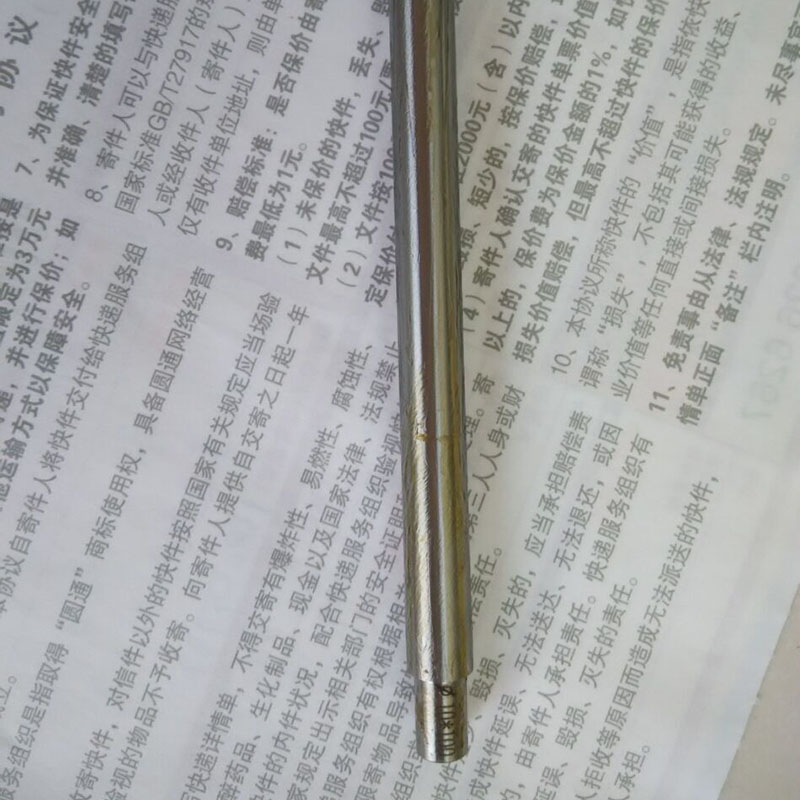
Understanding Small Bore Gauges Essential Tools for Precision Measurement In various industries, precision measurement is crucial for ensuring quality and safety. Small bore gauges are specialized tools that play an essential role in this process, particularly in the machining and manufacturing sectors. These instruments are designed to measure the internal diameter of holes, tubes, or cylindrical parts with high accuracy, facilitating the inspection of components in terms of size and fit. What are Small Bore Gauges? Small bore gauges, often referred to as internal gauges or plug gauges, are designed to measure the internal dimensions of small openings or bores that are otherwise difficult to reach with standard measuring tools. These gauges come in various designs, including dial bore gauges, electronic bore gauges, and manual bore gauges. The choice of gauge typically depends on the specific application, the precision required, and the size of the bore being measured. Types of Small Bore Gauges 1. Dial Bore Gauges These gauges have a dial indicator that displays the measurement readings. They are equipped with a probe that expands and contracts within the bore. The dial provides an easy-to-read measurement, allowing operators to quickly assess the internal dimensions. 2. Electronic Bore Gauges With advancements in technology, electronic bore gauges have become increasingly popular. These gauges provide digital readings and often include features such as data storage, allowing for convenient logging of measurements and integration with computer systems for quality control processes. 3. Manual Bore Gauges The most traditional type, manual bore gauges often require a skilled operator to interpret measurements. They are usually simpler in design and can be more cost-effective for smaller operations that may not require the precision offered by their digital counterparts. Applications of Small Bore Gauges small bore gauge Small bore gauges are utilized in a wide range of applications across different industries. In manufacturing, they're crucial for measuring the internal diameters of drilled holes, ensuring that components meet specifications. This is vital in sectors such as automotive, aerospace, and medical device manufacturing, where tolerances are critical to the functionality and safety of the final products. For instance, in the automotive industry, the proper fit of engine components is necessary for optimal performance. Small bore gauges enable manufacturers to ensure that parts like cylinders and bushings meet the precise requirements, reducing the risk of engine failure or inefficiencies. Importance of Calibration and Maintenance To maintain the accuracy and reliability of small bore gauges, regular calibration and maintenance are essential. Over time, any measuring instrument can drift from its original settings due to wear and tear, environmental changes, or mishandling. Hence, establishing a routine calibration schedule is vital. Calibration involves comparing the gauge’s readings with a standard measurement and adjusting it as necessary. This process ensures that it continues to provide accurate readings. Additionally, proper cleaning and storage of the gauges help prolong their lifespan and maintain their precision. Conclusion Small bore gauges are indispensable tools in the measurement arsenal of engineers and machinists alike. Their ability to provide precise measurements of internal dimensions makes them crucial in ensuring that parts are manufactured to the highest standards. With various types available, users can select the right gauge for their specific needs, whether for high-volume production or detailed inspections. As industries continue to evolve with advancements in technology, the role of small bore gauges in quality control will remain significant. Emphasizing regular maintenance and calibration will ensure that these tools provide the accuracy and reliability necessary for modern manufacturing processes. Understanding how to effectively use and maintain small bore gauges is essential for any professional involved in precision engineering and manufacturing. In a world where quality is paramount, small bore gauges stand out as a testament to the commitment to achieving excellence in product standards.
-

High quality industrial productsagement

High quality industrial products
View Details -

Meet the diverse needs of customers

Meet the diverse needs of customers
View Details -

Strict quality control

Strict quality control
View Details -

Top raw materials

Top raw materials
View Details -

Trusted supplier

Trusted supplier
View Details
Our application


news and information

Water Pressure Control Valve for Efficient System Regulation and Flow Management
Understanding Water Pressure Reduction Valves A Comprehensive Guide Water pressure reduction valves
Water Valve Gate Design Prevents Leakage and Corrosion
In the realm of water management within pipelines, the design of water valve gate is of paramount im

Wholesale Valve Selection_ How to Choose the Right Types of Water Valves for Commercial Plumbing
Water valves are essential components in plumbing and industrial systems, controlling the flow and p
 English